
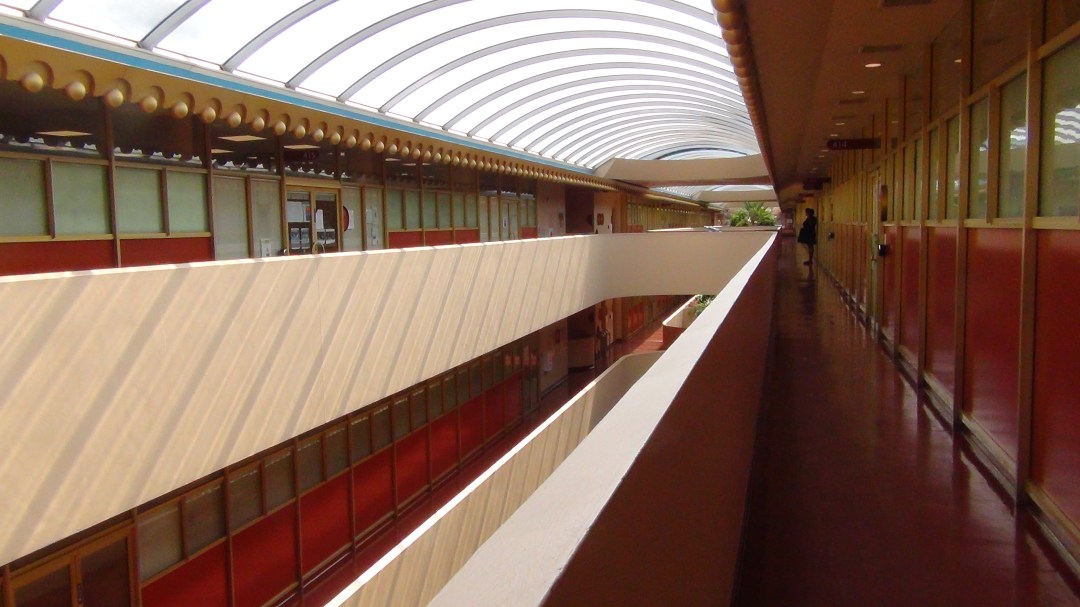
The Marin County Civic Center, located in San Rafael, California, is one of the most remarkable works of Frank Lloyd Wright. It was Wright’s last and largest public project, commissioned in 1957, and remains a stunning example of organic architecture. The Civic Center embodies Wright’s vision of harmonizing buildings with the natural landscape, and it continues to serve as both a functional government building and an architectural landmark.
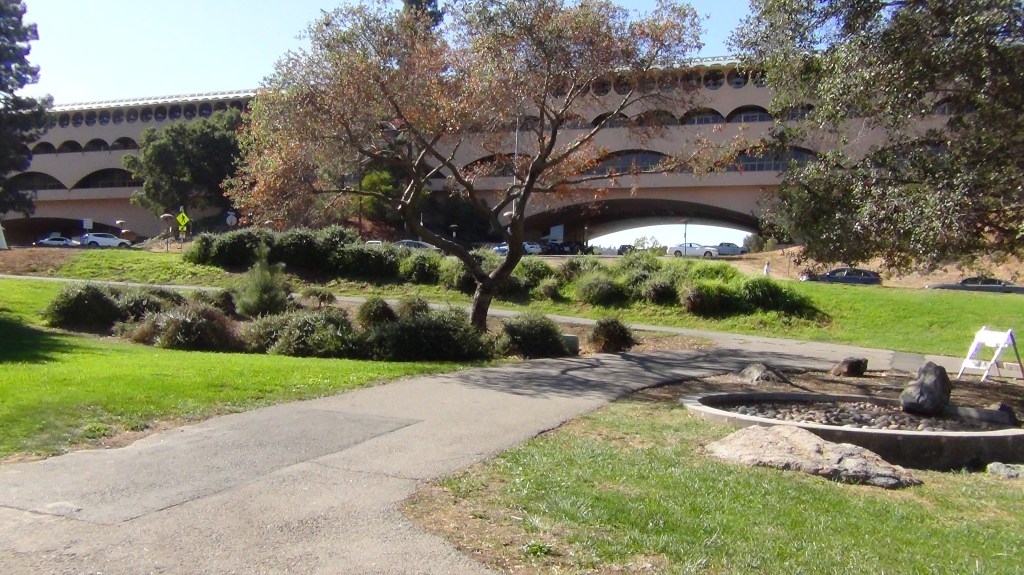
This architectural marvel has inspired countless case studies, books, and visual explorations, including Frank Lloyd Wright’s Marin County Civic Center by Gwen Sarandrea. Gwen’s book is the only book fully dedicated to this masterpiece, featuring 337 color photographs.
📍 Related: Discover the 60th Anniversary of the Civic Center.
Conception and Design
At 90 years old, Frank Lloyd Wright was chosen for the project after a contentious selection process, championed by Supervisor Vera Schultz.
Wright envisioned a structure that complemented Marin County’s rolling hills, integrating soft curves, horizontal lines, and natural elements into its design. His philosophy of organic architecture is evident throughout the building.
📚 Read more about Wright’s design philosophy in this Wikipedia article.
Construction and Completion
Despite designing the Civic Center, Frank Lloyd Wright did not live to see its completion. After his passing in 1959, his protégé, Aaron Green, oversaw the construction.
- 1960 – Groundbreaking for the Administration Building
- 1962 – Completion of the Administration Building
- 1969 – Completion of the Hall of Justice
Even today, the Marin County Civic Center remains an active government facility, housing administrative offices, courts, and libraries.
🏛 Discover the full history of the Civic Center on Marin County’s official website.
Architectural Features of The Civic Center
The Marin County Civic Center stands out due to its innovative and visually striking design. Some of its key architectural elements include:
Distinctive Exterior Features
- Pink stucco walls complement the surrounding hills.
- A blue roof reflects the California sky, though Wright originally intended for it to be gold. His wife, Olgivanna Lloyd Wright, suggested blue due to technical limitations. (Source)
- Circular motifs and arches evoke a sense of openness and fluidity.
Interior Design and Atrium
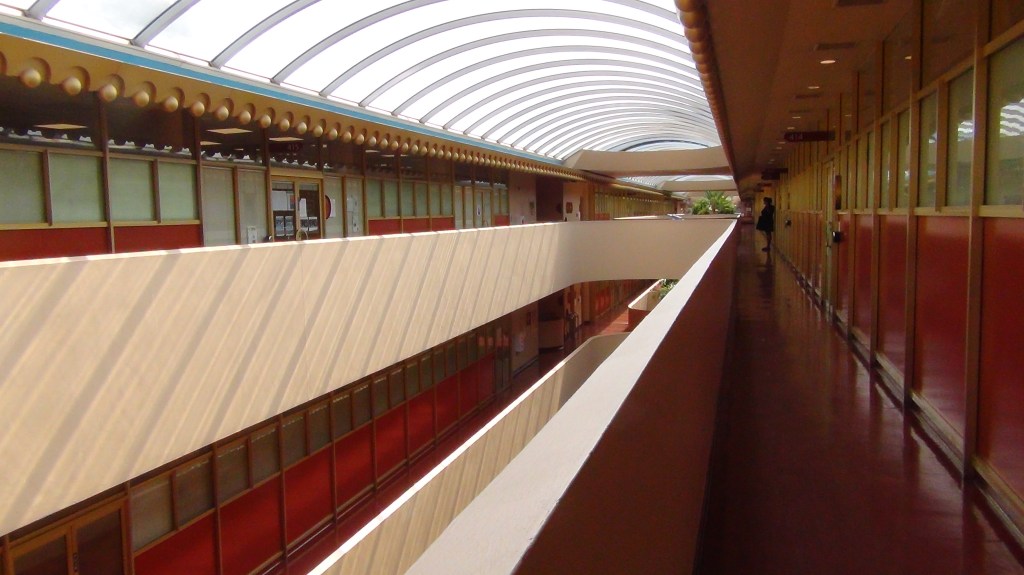
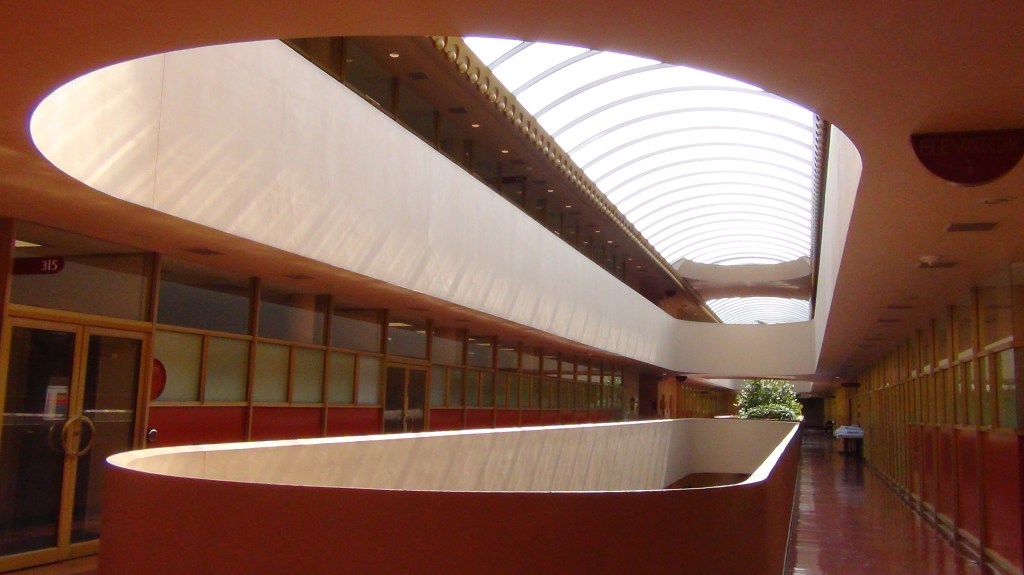
- Expansive atrium allows natural light to flood the space.
- Long, arched corridors, a signature of Wright’s architectural style.
- Integration with the natural landscape, making the Civic Center feel like an extension of the rolling hills.
The Frank Lloyd Wright Spire
The Civic Center’s spire is a signature Wright feature, balancing the building’s horizontal flow with vertical elegance. This striking Frank Lloyd Wright spire is one of the defining elements of the structure’s silhouette.
More Details: Surprising History of the Civic Center Roof.
Historical Significance and Recognition
The Marin County Civic Center has received numerous accolades over the years, solidifying its place as one of Frank Lloyd Wright’s most important works:
- Listed on the National Register of Historic Places in 1991.
- Designated a National Historic Landmark.
- Considered for UNESCO World Heritage Site status.
Learn more from the New York Times’ feature on the Marin County Civic Center.
The Book: Frank Lloyd Wright’s Marin County Civic Center by Gwen Sarandrea
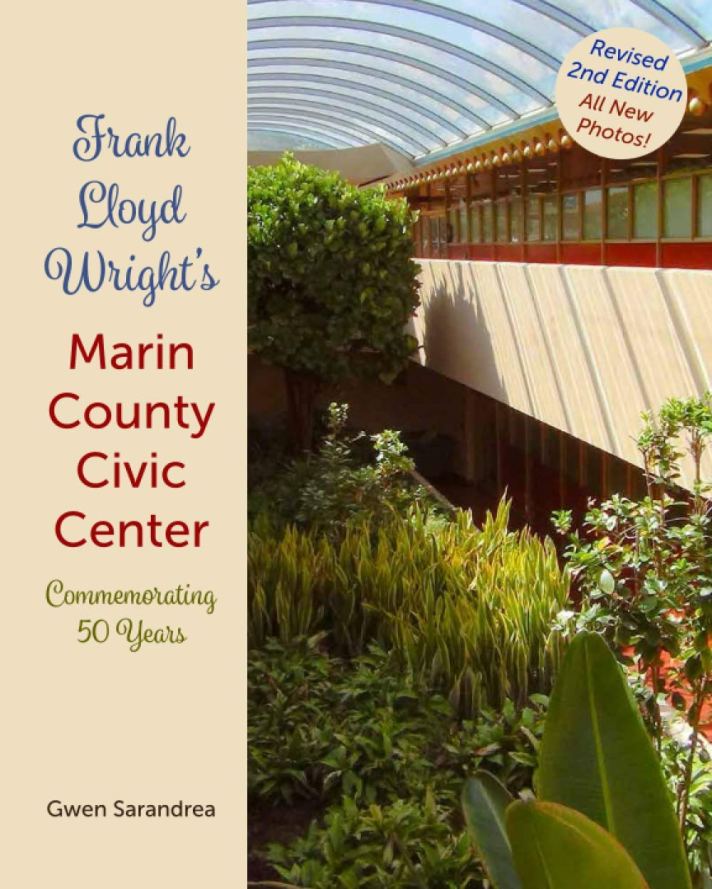
For those who wish to explore the Civic Center in depth, the book Frank Lloyd Wright’s Marin County Civic Center by Gwen Sarandrea is an essential resource.
Why You Need This Architecture Design Book:
- 337 full-color photos showcasing the building.
- Exclusive focus on the Marin County Civic Center.
- 8×10 pages for high-quality visuals.
Available on Amazon here.
This book is a must-have for anyone interested in Wright’s work and provides a rare, detailed photographic journey of the Civic Center.
Frank Lloyd Wright Case Study: Marin County Civic Center
The Marin County Civic Center serves as an ideal Frank Lloyd Wright case study, illustrating several of his architectural principles in action:
Organic Architecture
Wright designed the Civic Center to blend seamlessly with the natural landscape, following the contours of Marin’s rolling hills.
Innovative Use of Space
The Civic Center was designed not just for aesthetics but also for practical use, ensuring an efficient flow of people and government operations.
Innovative Use of Materials and Color
Wright’s use of pink stucco, gold (later blue) roofing, and open interior spaces demonstrates his commitment to innovation in architecture.
Influence on Future Architects
The Civic Center’s design has influenced numerous modern architects, making it a valuable subject for architectural case studies.
📑 Case Study Reference: Architectuul Article.
Marin County Civic Center Photos
Want a visual tour? If you can’t visit in person, look no further than Gwen Sarandrea’s stunning visual study of the Civic Center, available for purchase here.
- Interior views highlight the atrium, natural light, and vast corridors.
- Aerial shots display the building’s harmony with the landscape.
- Close-ups reveal details like arches, spires, and ornamental features.
These stunning images and more can be found in Frank Lloyd Wright’s Marin County Civic Center by Gwen Sarandrea.
Legacy and Cultural Impact
Even six decades after its completion, the Marin County Civic Center continues to inspire architects, artists, and visitors worldwide. The architectural masterpiece remains a testament to Frank Lloyd Wright’s genius:
- Featured in Hollywood films, further cementing its pop culture significance.
- A defining example of mid-century modern architecture.
- A symbol of innovative government design, proving that functionality and beauty can coexist.
As it celebrates over 60 years of existence, the Marin County Civic Center remains one of Frank Lloyd Wright’s most enduring and visionary designs.
🏛 Read More: New York Times Article.
Conclusion
The Marin County Civic Center is more than just a government building. It is a testament to Frank Lloyd Wright’s genius and his commitment to organic architecture. From its iconic blue roof to its sprawling arches and natural integration, the Civic Center continues to stand as a masterpiece of modern design.
If you want to explore its beauty in-depth, don’t miss Frank Lloyd Wright’s Marin County Civic Center by Gwen Sarandrea, the ultimate visual guide to this landmark.
With its rich history, groundbreaking design, and cultural significance, the Marin County Civic Center remains one of Frank Lloyd Wright’s greatest architectural achievements.
FAQs
What is the significance of the Marin County Civic Center?
The Marin County Civic Center is Frank Lloyd Wright’s last public project and a National Historic Landmark, showcasing his organic architecture philosophy.
Why is the roof of the Marin County Civic Center blue?
Wright originally wanted a gold roof, but due to technical limitations, his wife, Olgivanna Lloyd Wright, suggested the blue color to match the California sky.
Where can I find high-quality Marin County Civic Center photos?
You can find professional photos in Frank Lloyd Wright’s Marin County Civic Center by Gwen Sarandrea. At this time, it is the only book devoted exclusively to the Civic Center, and the only Frank Lloyd Wright book of its kind.
What is the Frank Lloyd Wright Spire at the Marin County Civic Center?
The spire is a striking architectural element designed to balance the building’s horizontal flow, a common feature in Wright’s designs.
How does the Marin County Civic Center reflect Wright’s architectural philosophy?
It exemplifies organic architecture, integrating with the natural landscape while maintaining functionality and beauty.
What other United States architecture was designed by Frank Lloyd Wright?
Frank Lloyd Wright designed iconic structures across the U.S., including Fallingwater in Pennsylvania, the Robie House in Chicago, and Taliesin in Wisconsin. His work, spanning Prairie School and Organic Architecture, also includes Taliesin West in Arizona and numerous innovative homes and public buildings.
 Gwen Sarandrea
You must be logged in to post a comment.